


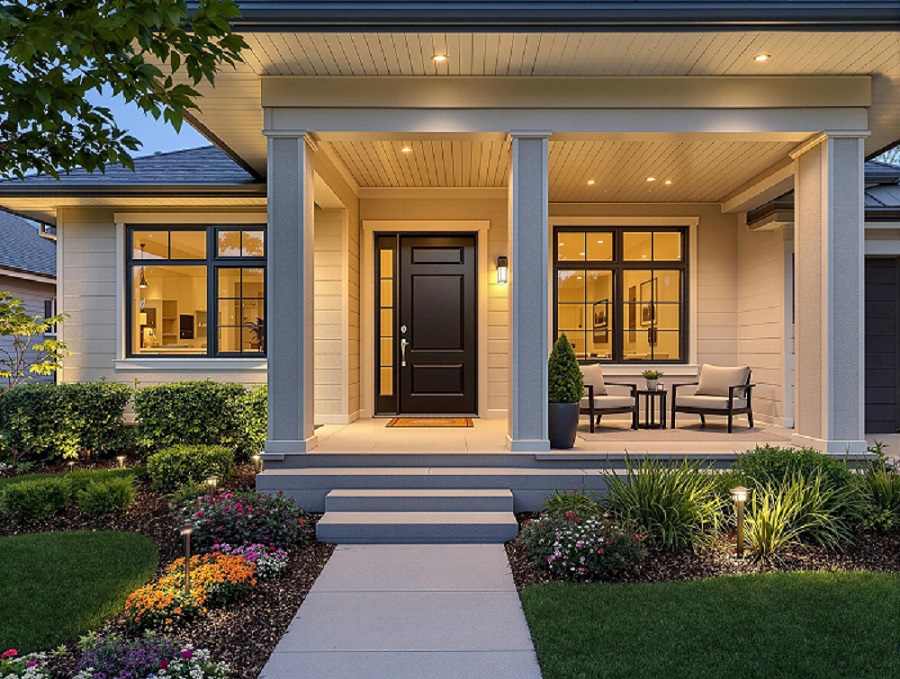
The modern residential real estate market has experienced a fundamental shift in buyer preferences. Today prospective homebuyers are no longer evaluating properties solely by square footage, neighborhood school districts, or kitchen countertop materials. In an increasingly connected era, technological integration has emerged as a primary selling point. Smart home technology has transitioned rapidly from a niche luxury reserved for custom luxury estates to an expected standard across broad segments of the housing market.
Integrating intelligent automation into a residence elevates everyday convenience, bolsters home security, and significantly improves energy efficiency. For real estate investors and homeowners preparing to list their properties, outfitting a residence with thoughtful, interconnected features delivers a competitive edge, accelerates sale timelines, and commands stronger closing prices.
The Evolution of Contemporary Homebuyer Expectations
The demographic profile of the average homebuyer has shifted substantially over the past decade. Millennial and Generation Z buyers represent the fastest-growing segments of active real estate shoppers in the United States. Having grown up alongside consumer electronics and cloud services, these buyers view digital connectivity as an intuitive component of daily life rather than an optional novelty.
-
Turnkey Living: Modern purchasers place a high premium on move-in readiness. Properties requiring immediate technical retrofitting or electrical updates often receive lower initial offers or linger longer on multiple listing services.
-
Remote Management: The expansion of flexible work arrangements and frequent travel has amplified the demand for properties that owners can monitor and manage from a smartphone interface anywhere in the world.
-
Cost Predictability: Rising utility rates across the country make prospective buyers eager to find built-in solutions that automatically curb resource waste and reduce ongoing monthly carrying costs.
When listing agents highlight integrated automation systems, prospective buyers perceive the entire property as well-maintained, contemporary, and engineered for long-term functional value.
Energy Management and Sustainable Automation
Utility management is often the most quantifiable benefit a smart home offers. Automated systems eliminate human forgetfulness, optimizing resource consumption throughout the daily cycle and lowering monthly overhead.
Smart Climate Control
Automated thermostats learn resident behavior, track room occupancy, and adjust climate settings based on external weather forecasts and local utility pricing structures.
-
Adaptive Scheduling: Intelligent thermostats adjust interior temperatures during sleeping hours or when the house is empty, avoiding the continuous expense of heating or cooling unoccupied spaces.
-
Zoned Comfort: Paired with smart dampeners and distributed temperature sensors, these devices balance hot and cold zones across multistory floor plans, ensuring uniform comfort in bedrooms, home offices, and primary living spaces.
-
Utility Rebates: Many local power grids offer immediate rebate incentives and reduced time-of-use rates for residences equipped with certified smart thermostats, providing an immediate marketing advantage on property listings.
Automated Illumination and Motorized Shading
Lighting automation combines aesthetic control with substantial electricity conservation.
-
Motion and Daylight Sensing: Smart lighting modules automatically deactivate fixtures when rooms remain empty and dim interior lights when natural sunlight is abundant throughout the day.
-
Motorized Thermal Blinds: Automated window coverings synchronize with the path of the sun, lowering during hot afternoons to block thermal heat gain and opening during winter mornings to harness passive solar warmth.
-
Scene Programming: Tailored illumination scenes highlight architectural details, artwork, and outdoor landscapes during open houses, creating a welcoming sensory presentation for prospective buyers.
Smart Irrigation and Water Conservation
Exterior water consumption represents a major portion of residential utility budgets, particularly in arid climates or suburban communities subject to strict municipal watering guidelines.
-
Weather-Responsive Controllers: Smart sprinkler systems monitor local rain data, soil moisture levels, and evaporation rates, halting scheduled watering cycles before, during, and after rainfall events.
-
Flow Monitoring and Leak Alerts: Intelligent water meters track baseline usage and instantly notify homeowners if a continuous trickle indicates a cracked pipe, running toilet, or irrigation line rupture.
Integrated Security and Property Protection
Security features provide emotional peace of mind, which is one of the strongest psychological drivers during a home purchase. Modern buyers gravitate toward homes that incorporate proactive, automated protection.
-
Intelligent Video Surveillance: High-definition video doorbells and exterior perimeter cameras with motion-filtering algorithms detect vehicles, animals, and delivery packages, streaming secure real-time alerts to mobile devices.
-
Keyless Entry and Digital Access Management: Smart deadbolts allow homeowners to grant temporary, time-sensitive access codes to house sitters, contractors, dog walkers, and prospective buyers, eliminating physical keys and vulnerability to lock-picking.
-
Connected Fire and Environmental Detectors: Smart smoke and carbon monoxide alarms send immediate notifications to smartphones if hazards arise while the occupants are away, while also activating interior lights to clear escape routes in dark environments.
-
Automated Water Shutoff Valves: Catastrophic plumbing leaks cause billions of dollars in residential property damage annually. Whole-house shutoff systems monitor pipe pressure continuously and automatically close the main water valve within seconds of detecting an abnormal surge, protecting the structural integrity of the home.
Insurance providers often award substantial policy discounts to residences fitted with professionally connected security systems and automatic water shutoff valves, creating another recurring financial incentive for prospective buyers.
Lifestyle Convenience and Frictionless Home Operations
Beyond utility savings and safety, smart devices provide subtle operational conveniences that transform daily domestic routines into frictionless experiences.
-
Hands-Free Voice and Touch Interfaces: Centralized smart hubs allow residents to command appliances, entertainment systems, window treatments, and climate zones through simple voice commands or centralized wall-mounted touchscreens.
-
Smart Kitchen and Laundry Appliances: Refrigerator systems that track internal contents, ovens that preheat remotely, and washing machines that distribute detergent based on fabric weight reduce chore fatigue and appeal directly to busy professionals.
-
Automated Garage and Entry Gates: Geofenced garage doors open automatically as a registered vehicle enters the driveway and close firmly once the vehicle is parked inside, eliminating the common worry of accidentally leaving the home exposed.
When these systems work in harmony, they create a cohesive, elevated living environment that makes traditional houses feel outdated by comparison.
Strategic Selection and Interoperability
Installing smart home technology requires a disciplined approach. Haphazardly purchasing mismatched devices can create a fragmented ecosystem that confuses prospective buyers rather than impressing them.
-
Stick to Universal Protocols: Prioritize devices that utilize universal interoperability standards such as Matter, Thread, Zigbee, or Z-Wave. These protocols ensure that door locks, thermostats, and light switches communicate seamlessly regardless of whether the buyer prefers Apple Home, Google Home, Amazon Alexa, or Samsung SmartThings.
-
Avoid Proprietary Traps: Systems that force a homeowner to use multiple separate applications for basic daily tasks frustrate residents. A single, intuitive dashboard is essential for maximum property appeal.
-
Focus on Permanent Fixtures: Hardwired, built-in features like smart light switches, in-wall smart outlets, smart main valves, and integrated thermostats transfer easily with the real estate deed and add tangible property equity, unlike standalone smart speakers or plug-in adapters that sellers typically pack away when moving.
Practical Steps to Maximize Return on Investment
To capture the highest return on investment when outfitting a home with intelligent technology, follow these foundational guidelines:
-
Start by upgrading high-visibility touchpoints, specifically the front door lock, primary video doorbell, and main hallway thermostat, which create strong first impressions during home tours.
-
Replace standard mechanical wall switches with smart dimmers in high-traffic entertaining areas like the kitchen, dining room, and outdoor patio to demonstrate effortless lighting automation.
-
Install a whole-home smart water shutoff system on the main supply line and obtain a certificate of installation to present to prospective buyers for insurance discount applications.
-
Prepare a clean, organized digital handover packet containing device serial numbers, factory reset instructions, and warranty paperwork to make the ownership transfer smooth and reassuring.
Frequently Asked Questions
What is the difference between a collection of smart gadgets and a true smart home system?
A collection of smart gadgets consists of standalone devices from different manufacturers that operate independently through separate mobile applications, requiring manual control for each action. A true smart home system connects these devices through a unified communication protocol, enabling them to share sensor data and trigger complex automated routines, such as turning down the heat, locking the doors, and arming the security system when a single leave button is pressed.
Do smart home features convey with the property during a real estate sale?
In standard real estate practice, any device that is physically attached or hardwired to the structure of the home, such as smart light switches, motorized blinds, video doorbells, and wall-mounted thermostats, is classified as a fixture and conveys with the property unless explicitly excluded in the purchase contract. Portable devices like countertop smart displays or plug-in modules are personal property and generally do not convey.
How can sellers demonstrate smart home value to older buyers who may be less tech-savvy?
Sellers and agents should emphasize physical functionality and passive benefits rather than digital complexity. Show that all smart switches and thermostats still function as normal manual buttons on the wall without requiring a smartphone. Highlight practical, automated safety features like instant flood prevention shutoffs, automated outdoor security lighting, and substantial savings on monthly utility bills.
Can installing too many smart devices deter certain prospective home purchasers?
Yes, an overly complex, fragmented system with dozens of separate applications, subscription requirements, or confusing wall keypads can intimidate buyers who fear constant technical maintenance. To preserve broad appeal, focus on foundational, reliable infrastructure, choose devices that work intuitively without an internet connection, and ensure the home is not dependent on custom programming to perform basic functions.
What cybersecurity steps should a homeowner take before transferring smart systems to a buyer?
The seller should perform a complete factory reset on every installed device, clearing personal data, saved networks, and account associations. Once the hardware is reset, the seller should place all user manuals, setup codes, and manufacturer support contacts in a central binder so the incoming buyer can register the devices directly under their own private accounts and secure network credentials.
Which single smart home upgrade offers the highest return on investment for sellers?
A smart thermostat consistently delivers the highest return on investment. It requires minimal upfront capital and brief installation time, appeals broadly to buyers across all demographics, visibly modernizes the interior, and provides concrete, documented utility savings that real estate agents can highlight directly on the listing sheet.
How do smart home installations affect home appraisal valuations?
While traditional appraisals rely heavily on square footage, bedroom count, and recent neighborhood sales comparables, appraisers increasingly note permanent smart fixtures in the quality and condition adjustments of their reports. High-end integrated automation, commercial-grade home networking, and smart energy systems help justify listing prices at the upper end of a neighborhood price range.