


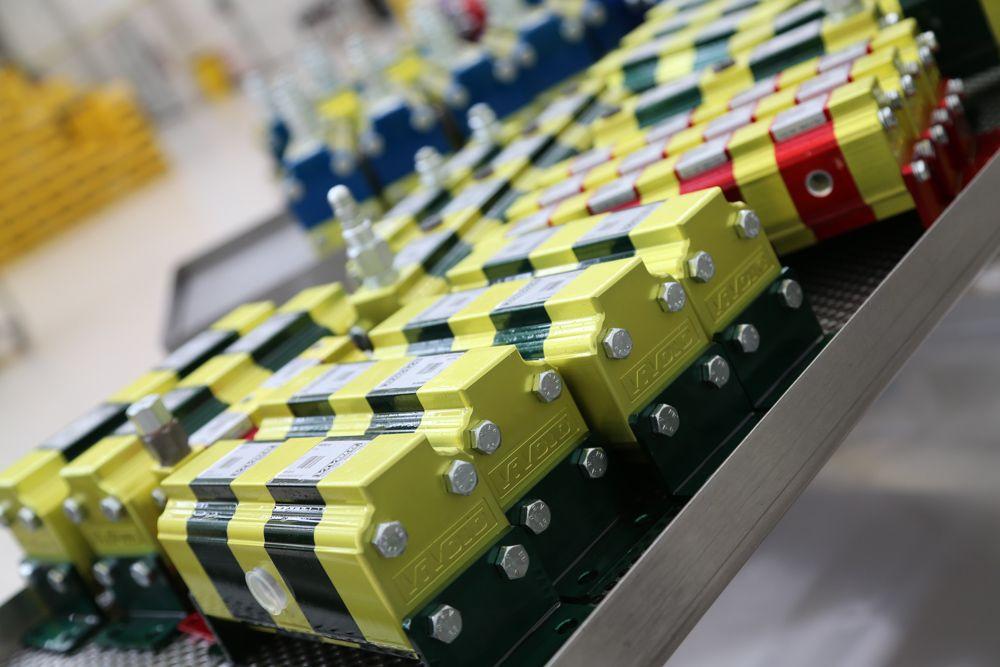
Hydraulic systems are the backbone of many industrial machines, mobile equipment, and processing units. Their ability to generate powerful, controlled movement makes them ideal for demanding applications. However, for these systems to function efficiently, the flow of hydraulic fluid must be carefully managed. One of the most important components in achieving balanced fluid distribution is the flow divider. These devices help maintain equal flow to multiple actuators or circuits, ensuring consistent movement, better load control, and improved operational reliability.
Selecting the right flow divider for your hydraulic equipment is essential because the wrong choice can lead to uneven performance, increased wear, and costly downtime. This guide provides a complete understanding of how flow dividers work, why they matter, key selection factors, and how they compare to specialized equipment used in other industries such as chocolate transfer pumps. By the end of this article, you will have a clear roadmap for choosing the most suitable flow divider for your application.
Understanding What Flow Dividers Do
Flow dividers are hydraulic components designed to split a single flow of hydraulic fluid into two or more equal or proportionally controlled streams. They help regulate the movement of cylinders, motors, and actuators by ensuring that each receives the correct amount of fluid regardless of differences in load, pressure, or resistance.
For example, if two cylinders are meant to extend at the same speed, a flow divider will ensure they move uniformly even when one cylinder faces a heavier load. Without this device, hydraulic systems may behave unpredictably, resulting in jerky movement, uneven lifting, or misalignment of machinery.
Although flow dividers are widely used in hydraulic systems, the concept of dividing and controlling flow is also seen in other industries. Chocolate transfer pumps, for instance, are used in food production to move viscous materials smoothly and evenly. While the materials and designs differ from hydraulic components, the underlying principle of consistent controlled flow is similar.
Why Flow Dividers Are Important in Hydraulic Equipment
Flow dividers help maintain precision, stability, and safety in hydraulic systems. Their importance becomes clearer when evaluating their contributions to system performance.
Enhanced Synchronization
One of the primary benefits of flow dividers is their ability to synchronize multiple actuators. In systems where two cylinders must move in unison, flow dividers ensure equal distribution regardless of resistance differences.
Without proper synchronization, uneven movement could damage machinery or create operational hazards.
Improved System Efficiency
Hydraulic systems must deliver accurate, steady force to operate efficiently. Uneven fluid flow can cause slow cycles, inconsistent speed, and energy waste. Flow dividers allow the system to operate at optimal performance, increasing overall efficiency.
Better Load Management
Differences in load can dramatically affect how cylinders and motors respond. Flow dividers reduce the impact of these differences by delivering balanced flow, which prevents one actuator from moving faster than another.
Reduced Wear and Tear
Uncontrolled fluid distribution puts stress on components, seals, and hoses. Over time, this leads to premature wear. Flow dividers create stability within the system, reducing mechanical stress and extending the lifespan of the equipment.
Types of Flow Dividers
Different hydraulic applications require different types of flow dividers. Understanding each type helps narrow down the best option for your equipment.
Spool Type Flow Dividers
Spool type dividers regulate flow using a sliding internal spool. They can split flow equally between two or more outlets. These dividers offer precise control and are commonly used in systems requiring consistent synchronization.
Gear Type Flow Dividers
Gear dividers use multiple gears to proportionally split flow. They are ideal for high pressure systems and applications requiring durable, long lasting components. Gear dividers often offer smoother operation in demanding conditions.
Rotary Flow Dividers
Rotary dividers rely on rotating components to maintain consistent flow ratios. They are effective for systems requiring variable speed control or proportional flow adjustments.
Pressure Compensated Dividers
These dividers automatically adjust flow based on pressure differences. They help maintain consistent output even when loads vary significantly.
Each type serves a unique purpose, and selecting the correct one depends on the hydraulic system design, required accuracy, and environmental conditions.
Key Factors to Consider When Choosing Flow Dividers
Choosing the right flow divider requires a clear understanding of operational requirements. Below are the most important factors to evaluate.
Flow Rate Requirements
The first step is determining how much hydraulic fluid your system needs to divide. Flow dividers are designed to operate within specific flow ranges. Choosing one that is too small can restrict flow and cause overheating, while selecting one that is too large may reduce efficiency.
Pressure Compatibility
Hydraulic systems often operate at high pressures. A flow divider must withstand the system’s maximum pressure without performance loss. Gear type dividers are particularly well suited for high pressure environments.
Number of Outlets Needed
Some applications require splitting flow into two streams, while others may require three or more. It is important to select a divider with the correct number of outlets to match your system design.
Precision and Accuracy
Certain applications require extremely precise synchronization. In such cases, spool type and pressure compensated dividers are often the best choices. For general applications, gear dividers may be adequate.
Fluid Type and Viscosity
Different hydraulic fluids vary in viscosity, particularly under temperature changes. Flow dividers must operate effectively with the specific fluid type used in your system. High viscosity fluids require dividers designed to maintain accuracy despite thicker flow.
Although hydraulic systems use specialized oil based fluids, industries using chocolate transfer pumps also deal with viscosity challenges. The key difference is that food grade pumps must handle both fluid movement and temperature sensitivity to protect product quality.
Environmental Conditions
Temperature swings, dust, vibration, and humidity can affect hydraulic components. Choose flow dividers built with materials and seals suited to your working environment to ensure long lasting performance.
Compatibility With Existing Equipment
Flow dividers must fit within the existing hydraulic layout. Consider connection sizes, mounting options, and the overall design to avoid installation issues.
Common Applications of Flow Dividers
Flow dividers are used in a wide range of hydraulic systems across industrial sectors.
Lifting and Material Handling Equipment
Hydraulic lifts, cranes, and loaders rely on synchronized movement for safety and precision. Flow dividers ensure stability when multiple cylinders operate together.
Agricultural Machinery
Tractors and agricultural attachments often require uniform movement for planting, harvesting, or tilling operations. Dividers help maintain smooth action.
Construction and Mining Equipment
Machines such as excavators, bulldozers, and drilling rigs require reliable control of hydraulic flow. Flow dividers improve responsiveness and reduce mechanical strain.
Industrial Manufacturing Systems
Automated equipment and assembly lines depend on consistent cylinder speed and alignment, making flow dividers essential to smooth operation.
Installation and Maintenance Tips
Proper installation and maintenance ensure that flow dividers perform reliably and safely.
Follow Manufacturer Specifications
Each divider has defined limits for flow, pressure, and temperature. Always follow these guidelines to avoid malfunction.
Keep the Hydraulic System Clean
Contaminants like dirt and metal particles can damage internal components. Regular filter changes and fluid checks help protect your divider.
Monitor System Performance
Uneven cylinder movement or pressure fluctuations may indicate that the divider needs cleaning or replacement.
Conduct Preventive Maintenance
Routine inspections help detect wear early, reducing the risk of system failure and downtime.
How Flow Dividers Compare to Specialized Pumps
While flow dividers and pumps serve different functions, comparing them helps illustrate how fluid movement technologies vary across industries. Flow dividers control fluid distribution, whereas pumps move materials through pipes and systems.
Chocolate transfer pumps are used specifically to handle thick, temperature sensitive materials without altering their quality. They share one similarity with flow dividers: both ensure consistent and controlled flow. However, the design, materials, and operating principles differ significantly.
Understanding these differences ensures industries choose the right tools for their unique applications.
Selecting the right flow divider is essential for maintaining precise control, synchronization, and stability in hydraulic equipment. By evaluating factors such as flow rate, pressure range, accuracy needs, fluid viscosity, and environmental conditions, you can choose a divider that enhances performance and extends the lifespan of your system.
Flow dividers are valuable components in a wide range of industries, from construction and manufacturing to agriculture and material handling. Their ability to distribute hydraulic fluid evenly ensures efficient operation, reduces wear, and improves safety.
Whether your equipment requires precise synchronization or stable flow under variable loads, investing time in choosing the right flow divider will pay off in reliability and long term productivity.