


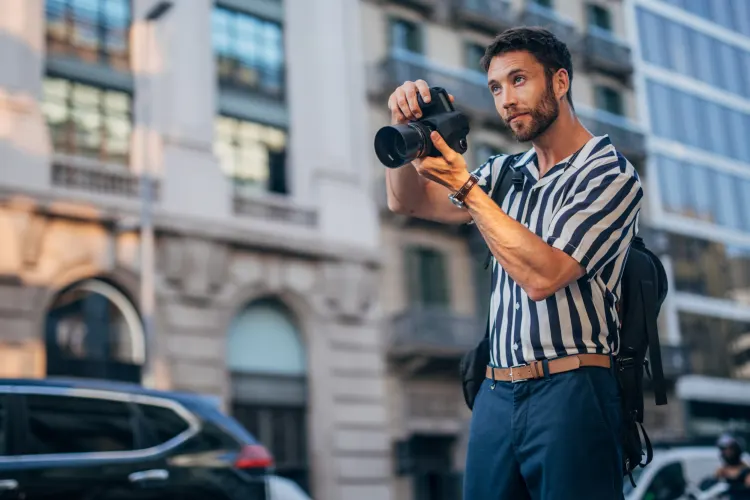
Photography is both an art and a science, blending creativity, technical skill, and perception to capture moments that communicate, inspire, and preserve history. It extends beyond simply taking pictures; photography reflects culture, documents reality, and serves as a powerful medium for expression. From professional photographers to hobbyists, understanding the principles and applications of photography is essential to appreciate its profound impact on society.
The Definition and Evolution of Photography
Photography is the practice of creating durable images by recording light on a sensitive medium, traditionally film or, more recently, digital sensors. Its evolution spans centuries, from early chemical processes to modern digital innovations.
Historical Development
- Early Photography: The 19th century saw the development of daguerreotypes and calotypes, which required long exposure times and precise chemical processing.
- Film Photography: The 20th century introduced roll film, making photography accessible to amateurs and professionals alike.
- Digital Revolution: The late 20th and early 21st centuries brought digital sensors, instant image review, and integration with smartphones, transforming photography into a ubiquitous practice.
Importance of Photography
Photography captures moments that words cannot always express, serving both personal and societal purposes:
- Cultural Documentation: Preserving traditions, lifestyles, and historical events for future generations.
- Artistic Expression: Visual storytelling, experimental techniques, and conceptual photography explore human creativity.
- Communication: Images communicate ideas and emotions more powerfully than text in many contexts, including advertising, journalism, and social media.
- Scientific and Technical Applications: Photography aids research, medical imaging, surveillance, and documentation of natural phenomena.
Core Principles of Photography
Successful photography requires an understanding of both technical elements and artistic considerations.
Composition
Composition is the arrangement of elements within a frame to create visual balance and interest. Key concepts include:
- Rule of Thirds: Dividing the frame into nine sections to place subjects along intersecting lines.
- Leading Lines: Natural or architectural lines that guide the viewer’s eye toward the focal point.
- Framing: Using elements like windows or trees to emphasize the subject.
- Symmetry and Patterns: Creating visually striking images through repetition or balance.
Lighting
Light is the essence of photography. Proper management enhances mood, depth, and clarity:
- Natural Light: Sunlight offers dynamic possibilities but requires attention to shadows, angles, and time of day.
- Artificial Light: Studio lights, flashes, and reflectors allow control over intensity, direction, and color temperature.
- Golden Hour: The period shortly after sunrise or before sunset provides warm, soft lighting ideal for portraits and landscapes.
Exposure
Exposure determines how light or dark an image appears and involves three interdependent settings:
- Aperture: Controls the amount of light entering the lens and affects depth of field.
- Shutter Speed: Dictates how long the sensor or film is exposed to light, influencing motion blur.
- ISO: Adjusts sensor sensitivity, impacting brightness and potential noise in the image.
Focus and Depth of Field
- Focus: Sharpness of the subject relative to other elements. Manual or autofocus systems help achieve clarity.
- Depth of Field: The zone of acceptable sharpness; shallow depth isolates subjects, while deep depth keeps more of the scene in focus.
Genres and Styles of Photography
Photography encompasses diverse genres, each with unique techniques, objectives, and audience appeal.
Portrait Photography
- Focuses on capturing the personality and emotion of individuals or groups.
- Requires attention to lighting, background, and posing to convey character effectively.
- Popular in personal, professional, and editorial contexts.
Landscape Photography
- Captures natural or urban environments, emphasizing scale, mood, and detail.
- Techniques include panoramic stitching, HDR imaging, and careful timing to optimize lighting conditions.
Street Photography
- Documents everyday life and urban experiences, often candidly.
- Emphasizes storytelling, context, and human interaction.
- Requires a keen eye for composition, timing, and cultural awareness.
Wildlife and Nature Photography
- Focuses on animals, plants, and ecosystems in their natural habitats.
- Demands patience, specialized equipment like telephoto lenses, and understanding of animal behavior.
- Plays a crucial role in conservation awareness and scientific documentation.
Macro Photography
- Captures extreme close-ups of small subjects, revealing details invisible to the naked eye.
- Requires macro lenses, careful lighting, and precision in focus to achieve striking results.
Commercial and Product Photography
- Serves marketing, advertising, and e-commerce purposes.
- Emphasizes visual appeal, brand identity, and clear representation of products or services.
- Involves studio setups, controlled lighting, and post-production refinement.
The Technology Behind Modern Photography
Technological advancements have transformed photography, expanding creative possibilities and accessibility.
Cameras and Lenses
- DSLRs and Mirrorless Systems: Provide high-quality imaging, interchangeable lenses, and manual controls.
- Smartphone Cameras: Offer convenience, AI-assisted enhancements, and social media integration.
- Specialized Lenses: Wide-angle, telephoto, prime, and macro lenses allow precision in framing and perspective.
Post-Processing and Editing
- Software like Adobe Photoshop, Lightroom, and Capture One enables adjustments in exposure, color grading, retouching, and compositing.
- Editing is a tool for creative expression and professional polish, though ethical considerations apply, especially in journalism.
Emerging Trends
- Drone Photography: Captures aerial perspectives for landscapes, real estate, and cinematography.
- 360-Degree and Virtual Reality Photography: Immerses viewers in interactive environments.
- Artificial Intelligence: AI aids in image recognition, automated editing, and style enhancements.
Ethical Considerations in Photography
Photographers must navigate moral and legal responsibilities, especially in sensitive contexts.
- Consent and Privacy: Respecting subjects’ rights and obtaining permission is crucial in portraits and street photography.
- Representation and Accuracy: Ethical reporting requires truthfulness and avoidance of manipulation that distorts reality.
- Animal Welfare: Wildlife photographers should minimize disturbance and avoid harmful interactions with animals.
- Cultural Sensitivity: Understanding local customs, beliefs, and norms prevents misrepresentation or offense.
Professional Opportunities in Photography
Photography offers diverse career paths, requiring both technical proficiency and creative vision.
- Photojournalism: Covers news events and human stories, blending documentation with storytelling.
- Commercial Photography: Includes fashion, product, and advertising photography.
- Event Photography: Captures weddings, concerts, and corporate events.
- Fine Art Photography: Explores conceptual and artistic expression, often exhibited in galleries and museums.
- Scientific and Forensic Photography: Supports research, investigation, and legal documentation.
The Impact of Photography on Society
Photography shapes culture, preserves history, and influences public perception:
- Historical Documentation: Photographs serve as visual records of significant events, social movements, and personal milestones.
- Cultural Exchange: Sharing images across borders promotes understanding and appreciation of diverse lifestyles.
- Advocacy and Awareness: Photojournalism highlights social issues, environmental crises, and humanitarian challenges, inspiring action.
- Digital Media Influence: Social media platforms have democratized photography, creating communities, trends, and new artistic expressions.
FAQs About Photography
1. How do professional photographers manage lighting in outdoor settings?
They use reflectors, diffusers, and knowledge of sun positioning to control shadows and highlights, achieving optimal exposure.
2. What is the difference between JPEG and RAW formats?
JPEG is compressed and ready for sharing, while RAW preserves maximum image data for flexible post-processing and high-quality results.
3. How important is post-processing in professional photography?
Post-processing enhances visual impact, corrects exposure or color issues, and refines images, but should maintain ethical integrity, especially in documentary contexts.
4. Can smartphone photography compete with professional cameras?
Modern smartphones offer high-resolution sensors, computational photography, and AI enhancements, producing results competitive for casual and even professional work in certain contexts.
5. What skills are essential for aspiring photographers?
Technical knowledge of cameras and lighting, composition, post-processing expertise, storytelling ability, and ethical awareness are all vital for a successful photography career.
6. How does photography contribute to conservation efforts?
Wildlife and environmental photographers raise awareness, document species and habitats, and support research initiatives that inform policy and public action.
7. What role does creativity play in photography?
Creativity drives composition, conceptual exploration, and innovation in technique, transforming technical skills into compelling visual storytelling.
Photography is an evolving medium that combines technical mastery, artistic expression, and cultural documentation. Its applications span personal enjoyment, professional careers, scientific research, and societal impact. By understanding its principles, tools, and ethical considerations, photographers can create images that inform, inspire, and endure, bridging the gap between perception and reality.